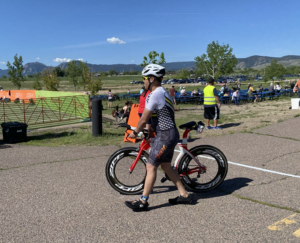
Finding the right bike can make all the difference in your triathlon performance, comfort and overall experience. With so many options on the market, choosing the ideal triathlon bike may seem daunting! Whether you’re aiming for a sprint, Olympic, half-Iron (70.3) or full Ironman distance, this practical guide will help you choose the right bike for you. This guide walks you through the key choices, fit considerations, budget tips, and what to prioritize so you get the best value and performance out of your first tri bike.
Understand your goals
What distance are you aiming for? What is the terrain like for this race – hilly, flat, windy, etc.? Will you use this bike for other purposes such as group rides or commuting? Or solely for triathlon racing? If you’re new to triathlon, consider starting with a road bike that offers versatility and comfort. You can upgrade to a triathlon bike as you progress.
Triathlon bike vs. road bike
Understanding the difference between these two types of bikes is essential for making the right choice.
Triathlon bikes are designed for speed, comfort and aerodynamics over long, steady efforts especially on flat to rolling courses. They have:
- An aerodynamic frame and fork to prioritize low drag, helping you maintain speed with less effort.
- Tri-specific geometry with longer top tubes and steeper seat tube angles that push your hips/thighs forward to open up your hip angle – making the run off the bike easier
- Integrated hydration and storage included in many models with onboard systems for water, nutrition and tools.
- Forward riding position encourages an aero posture while keeping you stable and comfortable over long distances.
Road bikes are versatile and comfortable for all terrains, especially steep, mountainous riding or highly technical courses. They are required for draft legal racing and easier to adapt for group rides and non-triathlon uses. Some models have aerodynamic features similar to the triathlon bike.
Set your budget
| Budget | What you get | Good for |
|---|---|---|
| $1000 – $1800 | Entry level road bike + clip on bars | First timers, sprint distance |
| $1800 – $3000 | Base-level tri bikes / used tri bikes | Sprint to Olympic to 70.3 distance |
| $3000 – $5000 | Mid-range tri bikes | Olympic to full Ironman |
| $5000+ | Top performing Tri / TT bikes | Any distance |
Be on the lookout for a used, higher end tri bike as they can be far better than some of the new entry level models. Just make sure you know your fit before you buy! (See below)
Road bike with aero bars vs. dedicated triathlon bike
A good road bike with aerobars provides: an affordable entry point; easy to ride and versatile for training and racing; best for short course racing. A dedicated triathlon bike provides: optimal aerodynamics, more comfort for long hours in aero position while training and racing. Many newbie triathletes opt for the road bike + clip on aerobars to start, especially if you’re budget conscious. If you have bigger aspirations and budget, consider that dedicated tri bike.
Get a pre-purchase bike fit
This is probably the most critical action you can take when searching for the RIGHT bike for you. I’ve heard way too many stories of inexperienced triathletes being sold the bike that is totally wrong for them. This causes much heartache and backaches. Take some time to get a professional fit before you buy! Search your area or speak with your friends about a reputable, experienced fitter or shop near you. It is an extra cost, but will save so much on the front end of your purchase journey. At your pre-purchase appointment, the fitter will measure you and give a list of recommended bikes that will work for you. It really streamlines where to focus your bike search. And, makes it much easier to find the right used one! There are many different fitters and shops across the country, but one national brand that is quite reliable is: retul.com
Then be sure to get refit on your new bike once you find it. An improper fit can lead to discomfort, inefficiency and even injury.
Choosing the right frame material
Bike frames are commonly made from one of four materials, each with its pros and cons:
- Aluminum: affordable, lightweight, and durable, but can be less comfortable on long rides (stiffer); can be great for beginners.
- Carbon fiber: lighter and more aerodynamic, a bit more costly; excellent shock absorption.
- Steel: strong and comfortable, but heavier making it less common for triathlon bikes.
- Titanium: lightweight, durable and comfortable, but comes at a premium price.
If you’re a beginner, aluminum frames with a carbon fork offer a great balance of cost and performance. For serious competitors, a full carbon frame may be worth the investment.
Aerodynamics and components
When you’re racing against the clock, aerodynamics play a significant role in triathlon racing. Components (group sets) are all the smaller parts that put the bike together and make it go when you push on those pedals. Here are some of the basics:
- Aero bars: Help reduce drag by positioning you in a streamline posture. You can add clip ons to a road bike or they come as part of the set up in a triathlon bike
- Wheel sets: You will get a set of wheels with the bike, usually a good for training, but can be used in racing too. Aero wheels, such as deep section rims, improve aerodynamics and speed, but can be pricey.
- Components (group sets): this will either come standard on the bike or can be added on; higher end components will be lighter, more aero and more expensive.
Other accessories you’ll need
Bottle cages, water bottles or other hydration system; spare tubes, pump or CO2 cartridges, tire levers, multitool for minor repairs on the road; cycling shoes + pedals; helmet; power meter (optional)
Test before you buy – and make sure they fit you to your new bike
Since every rider has unique preferences and needs, test riding your bike before purchase is crucial. Once you start looking for a bike, just go shopping and learn about what’s available in your area or online; visit local bike shops to test ride multiple models, getting to know what feels right for you; pay attention to handling, comfort and how the bike feels when you push on the pedals: does it move forward or feel sluggish? If possible borrow a bike from a friend or even rent one for a short race to gain experience and feel for the bike.
Maintenance is important
Think of bike maintenance as an ongoing part of your training and preparations – taking good care of your bike. Learn a few of the basics: brake and derailleur adjustments and changing a flat tire. Clean your bike regularly, especially after riding in wet or muddy conditions; schedule regular tune ups at your local bike shop. Make sure everything is working smoothly, no big nicks in tires, etc is doubly important right before your race.
Choosing the right triathlon bike is a significant investment in your triathlon journey. By considering your goals, budget, and personal preferences—and ensuring a proper fit—you’ll find a bike that enhances your performance and enjoyment. Take your time to research, test, and invest wisely, and you’ll be ready to tackle your next race with confidence.